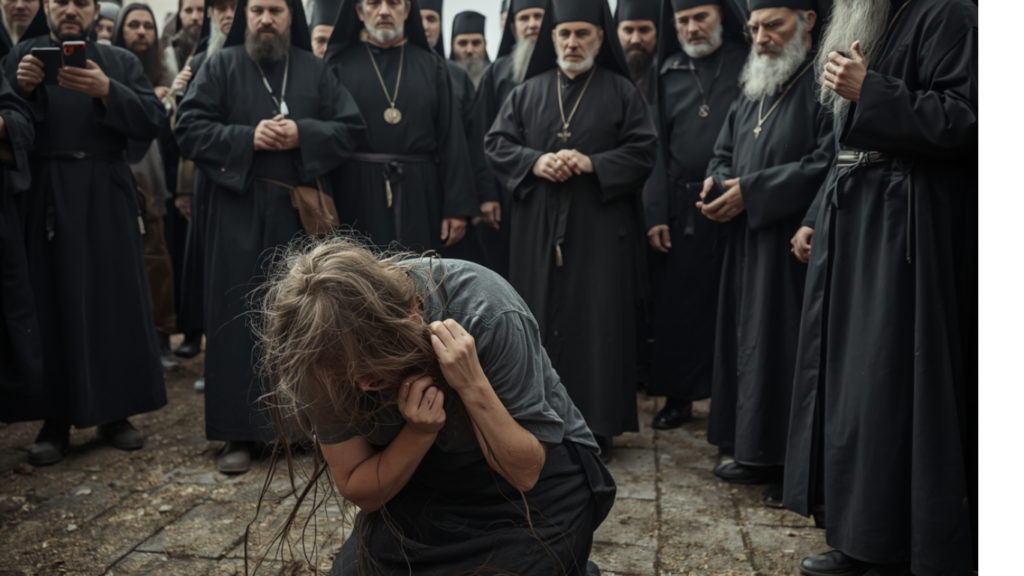
Ateisti, neupućeni ili naprosto zlobni ljudi govorili su zbog ovog događaja o manastiru kao o nepotrebnoj zgradurini u kojoj borave lenštine koje su pobegle od sveta kako bi izbegle ovozemaljske obaveze, nesposobni da razumeju da iza tih zidina ne postoji bekstvo, već izbor koji većina nikada ne bi mogla ni da podnese — fantazeri itd.
Monasi su takve reči najčešće prepuštali tišini, a kada bi i odgovarali, činili su to bez gorčine, ponavljajući da je to uobičajeno, ateističko huljenje na one koji su ostavili sve zbog neizdržive ljubavi prema Bogu.
A taj spisak „lenština“, kako su ih nazivali, bio je dugačak i raznolik — naučnici, hirurzi, biolozi, glumci, zanatlije, ljudi koji su u svetu već imali ime i mesto, ali su ga se odrekli ne iz slabosti, već iz potrebe koja se ne objašnjava.
Zbog toga je mali broj ljudi zaista znao šta je svrha manastira, zašto monasi napuštaju sve i šta se, daleko od pogleda i glasina, unutar tih viševekovnih zidina zaista dešava.
Niko od prisutnih toga dana, dok se išlo ka posluženju u tihom, uobičajenom poretku posle jeleosvećenja, nije mogao da nasluti kroz šta je prošla žena koju su nešto ranije uveli unutra u zgradu, niti kakva se borba u njoj odvijala pre nego što je njen glas presekao mir manastirske porte.
Sada se vasceli prostor raspao u reakcije, ne kao haos nego kao nagli gubitak zajedničkog lica koje je do pre trenutak postojalo među svima.
Svi su videli strahotu — i niko više nije imao isti dojam, jer se u svima u istom trenutku nešto pomerilo, pri čemu se promene nisu odvijale na isti način.
Strah je bio prvi, sirov, neposredan, onaj koji ne traži objašnjenje nego odstupanje, i već u sledećem pokretu to se videlo u hodu ljudi, u načinu na koji izbegavaju da ostanu na istom mestu, dok su deca bila povučena, zbunjena, već u nečemu što ne umeju da imenuju ali što ostaje kao trag koji se ne briše.
Žamor se razlio odmah posle toga, ne kao organizovan govor nego kao raspad jedne zajedničke tišine u komentare, poluglasna pitanja i nevericu koja traži smisao, ali i kratke izlive oduševljenja kod onih hrabrijih, koji u haosu traže dokaz nečega većeg od sebe.
I u tom lomljenju prostora, Jovana je sve gledala, ne kao učesnik nego kao neko ko prepoznaje sopstveni odjek spolja, dok ono što se dešava napolju dobija oblik koji se ne može odvojiti od onoga što nosi u sebi.
Otac Kirjak je stajao uz nju, držao je mirno ali ne čvrsto, više kao granicu nego kao oslonac, dok su se njena braća prvi put malo povukla, jer je i njima bio potreban predah posle borbe koja nije imala oblik borbe nego iscrpljivanje koje traje duže nego što čovek može da izdrži.
I u Kirjaku se sudaralo dvoje — stid, koji nije mogao da objasni sebi, i neizgovorena potreba da razume kako je moguće da iz nje izađe ono „potucite se“, reč koja ne ostaje u prostoru nego ga preseca i menja pravac ljudi u istom trenutku.
Hteo je da pita, ne glasno, ne sada, samo da dotakne smisao koji mu je izmičao, ali vreme i mesto su ga zaustavili pre nego što je i formirao pitanje.
Dunja je stajala uz mene, pritisnuta bliže nego što je i sama primetila, i strah u njoj nije bio panika nego nelagodna blizina nečega što se ne razume ali se oseća u telu, prisustvo koje ne prestaje ni kada pogled sklizne na drugu stranu.
Nije govorila, samo je gledala, sa naporom da u sebi zadrži sve što se pred njom raspada.
Sveštenici i oci su se u međuvremenu povukli i zatvorili u jednu od kelija, brzo i bez ceremonije, da razmotre ono što se dogodilo — da li je to samo događaj ili nešto što zahteva viši pogled, da li treba odmah obavestiti episkopa i kako uopšte imenovati ono što je preseklo mir porte i ostavilo ga otvorenim.
Reči su tamo postajale teže nego napolju, jer unutrašnji razgovor nosi težinu koju spoljašnji svet još ne ume da primi.
A napolju — niko više nije imao isti mir, jer se ono što je do malopre delovalo zajednički sada razlomilo u svakome na svoj način.
Jedini koji je stajao izvan tog loma bio je Raša, na čijem licu nije bilo straha, niti ga je dodirivao, nego je u njemu ostala samo vest koja se nije uklapala u haos, ali je postojala jednako stvarno kao i sve što se desilo, nešto što ne traži objašnjenje nego samo mesto u čoveku.
Bio je jedini koji je izgledao dotaknuto, ali ne razoren, sa tragom koji se ne briše lako.
I dok su svi ostali tražili smisao u onome što ih je uplašilo, on je u sebi držao nešto što nije tražilo smisao nego tišinu.
Ostao je u tom unutrašnjem stanju koje nije tražilo objašnjenje, niti je pokušavalo da se pretvori u misao.
Vest koju je poneo nije se ponašala kao informacija, nego kao promena unutrašnje temperature, jedva primetna spolja, ali postojana u njemu, dovoljno jasna da razdvoji ono što je do tog trenutka bilo napeto od onoga što sada počinje da se smiruje iznutra.
Nije imao potrebu da to deli, niti da traži potvrdu u reakcijama drugih. Sve oko njega je i dalje nosilo težinu dana, ali u njemu se pojavila drugačija vrsta jasnoće, ona koja ne dolazi naglo, nego se sliva postepeno, bez reči, bez unutrašnjeg otpora. Nije to bila radost u uobičajenom smislu, niti olakšanje koje brzo traži izlaz, već stanje u kojem se čovek zadrži između daha i misli, bez pritiska da bilo šta odmah razume.
U njemu se istovremeno odvijao i odjek onoga što se desilo napolju. Slika žene, glas koji je presekao red, pokreti ljudi koji su se razdvajali pod istim utiskom — sve to nije nestalo, nego se premeštalo u pozadinu svesti, gubeći oštrinu, ali ne i prisutnost. Ipak, ta slika više nije imala snagu da ga povuče nazad u isti nemir. Ostala je tu, ali bez dominacije.
Ono što je preovladalo bilo je osećanje da se nešto u njemu otvorilo bez njegove volje i bez njegovog razumevanja. Nije umeo da odredi trenutak u kojem se to dogodilo, niti da ga poveže sa bilo čim spoljašnjim, ali u njemu se javila svest da se granica između straha i poverenja pomerila, i to ne u pravcu sigurnosti, nego u pravcu prihvatanja onoga što ne može da kontroliše.
Pogled mu je na trenutke odlazio ka velikoj ikoni Isusa Hrista, koja je stajala iznad prostora i u sebi držala mir koji nije zavisio od ljudi ispod nje. Nije tražio odgovor u njoj, ali je u tom prisustvu prepoznavao kontinuitet, nešto što ne zavisi od promena raspoloženja mase, niti od naglih prekida u događajima.
U njemu se javila i tiha svest o tome koliko je malo potrebno da se čovek u sebi preokrene, a koliko dugo potom traje pokušaj da se taj preokret imenuje. Nije ga interesovalo ime, niti tumačenje, već samo činjenica da ono što oseća ne nosi više težinu pretnje. To nije značilo da je sve razjašnjeno, nego da više nije bio u odbrani od onoga što dolazi.
U jednom trenutku, dok je prostor i dalje bio ispunjen glasovima i tihim kretanjem ljudi, primetio je da mu se disanje izjednačilo bez napora. Nije to bio svesni pokušaj smirivanja, već posledica unutrašnjeg pomeranja koje se završilo bez sukoba. U njemu je ostala samo blaga budnost, bez napetosti, dovoljno otvorena da primi i ono što je teško i ono što je neočekivano.
I tada je, po prvi put tog dana, mogao da pogleda oko sebe bez osećaja da mora nešto da razume odmah. Sve je i dalje bilo isto, ali je njegovo mesto u svemu tome postalo drugačije — manje zarobljeno u reakciji, više prisutno u onome što traje ispod nje.
U jednoj od unutrašnjih prostorija manastira, zatvorenoj za spoljašnji žamor i kretanje naroda, sabrali su se iguman i sveštenici, otac Pavle, otac Serafim i otac Nektarije, zajedno sa još šestoricom sveštenoslužitelja, dok je razgovor koji je trebalo da počne ostajao između potrebe da se izgovori i težine onoga što je viđeno.
Prostorija je bila jednostavna, sa dugim stolom u sredini i raspoređenim stolicama. Svetlost je ulazila kroz uski prozor i lomila se po ivicama drveta.
Niko nije odmah govorio.
Svako je u sebi vraćao slike iz dvorišta, ali ne iste: neko pogled, neko glas, neko nagli pokret ljudi, neko prekid koji je presekao uobičajeni poredak.
Otac Pavle je prvi blago pomerio stolicu, ne da bi preuzeo reč, nego da bi rasteretio sopstvenu napetost koja je ostala u telu posle svega. Pogled mu je bio spušten.
„Ovo se ne može ostaviti bez crkvene reakcije u najkraćem roku“, rekao je kratko. „Episkop mora biti odmah obavešten.“
Otac Serafim je prešao pogledom preko prisutnih, pa ga vratio na sto, bez zadržavanja.
„Nema odlaganja“, dodao je. „Ovo prevazilazi granice jednog manastirskog događaja.“
Otac Nektarije je govorio tiše, ali precizno.
„Narod je reagovao naglo. Strah se širio bez reči. Ali ono što ostaje jeste činjenica da se sve nije završilo u trenutku — ostalo je u ljudima.“
Jedan od starijih sveštenika odmah je nastavio, bez uvoda:
„I to ne sme ostati bez episkopa. Ako se ovo zadrži ovde, postaje teret koji se širi bez kontrole.“
Drugi je kratko potvrdio, gotovo rezom:
„Sve ide naviše. Odmah.“
U tom trenutku razgovor se neprimetno pomerio ka Jovani.
Ime nije izgovoreno naglo, nego oprezno, ali sada bez neizvesnosti, jer je postalo jasno da se ne govori samo o događaju nego o osobi kroz koju je događaj prošao i ostao.
Neko je kratko izneo činjenice: stanje pre ulaska u hram, nemir koji se pojačavao, trenutak izvođenja, reakcije koje su usledile napolju. Nisu se tražila objašnjenja, samo okvir.
Otac Pavle je kratko podigao pogled, pa ga spustio.
„Ne može se svesti na jedan opis“, rekao je. „Ali ne može se ni odvojiti od onoga što se dogodilo.“
Otac Serafim je ostao miran.
„Potrebno je razlučiti ono što pripada medicinskom posmatranju i ono što pripada duhovnom rasuđivanju“, rekao je. „Ali nijedno ne sme biti prekinuto.“
Otac Nektarije je kratko dodao:
„I jedno i drugo mora ići paralelno, bez prebrzih zaključaka.“
U prostoriji se tada jasno osetilo da razgovor više nije izveštaj, nego pokušaj da se održi linija između onoga što se vidi i onoga što se ne razume.
I dok su se glasovi smenjivali, ostajalo je jasno da se ne traži konačan odgovor, nego odluka kako uopšte nastaviti dalje posle dana koji je pomerio granice u svemu što je do tada delovalo poznato.
Jovana je sedela malo povučeno, između prisustva ljudi i onoga što se u njoj još nije u potpunosti smirilo, a prostor trpezarije je nastavljao da diše svojim sporim, zbijenim ritmom, bez naglih pokreta i bez glasova koji bi remetili ono što je ostalo posle svega.
Ruke su joj bile položene na kolena, ali ne sasvim opušteno; prsti su povremeno pravili jedva vidljiv pokret, kao da telo još proverava da li je stvarno završeno ono što se dogodilo napolju, i da li se svet vratio u svoje granice ili samo privremeno miruje.
Dah joj je bio dublji nego ranije, ali ne potpuno ravnomeran, sa kratkim zastajanjima između udisaja, kao da u tim prazninama proverava koliko prostora uopšte ima u sebi da primi ono što dolazi spolja.
Gledala je ispred sebe, ne fiksirajući nijedno lice, nego prostor između ljudi, onaj nevidljivi sloj u kojem se još uvek zadržavaju odjeci onoga što se dogodilo u dvorištu, i u tom pogledu nije bilo ni panike ni radoznalosti, nego tiha iscrpljenost koja ne traži objašnjenje.
U jednom trenutku, pokret u prostoriji se gotovo sasvim smirio, i tada se u njoj dogodilo nešto što niko spolja nije mogao da primeti.
Ne naglo, ne kao prekid, nego kao povratak koji ne zna svoj red.
Ramena su joj se spustila za milimetar, a vilica, koja je do tada bila blago zategnuta, popustila je u neprimetnom popuštanju koje menja ceo izraz lica, i u tom trenutku nije izgledala ni uplašeno ni izgubljeno, nego prisutno na način koji dolazi tek posle velike unutrašnje buke.
Nije to bio mir koji se dobija, nego mir koji se ostaje kada sve što je moglo da se slomi već prođe kroz lom.
Pogled joj je skliznuo ka prozoru, prema svetlosti koja je ulazila ravno i bez otpora, i u toj svetlosti nije tražila odgovor, nego samo potvrdu da se spoljašnji svet i dalje kreće svojim tokom, bez obzira na ono što se u njoj ranije otvorilo.
U tom kratkom zadržavanju između daha i misli, u njoj se javila jedna jednostavna, gotovo sirova činjenica: da je i dalje tu.
Ne cela, ne potpuno sabrana, ali prisutna.
Ona nije znala da li je to kraj nečega ili samo predah između dva nepoznata talasa, ali je prvi put posle krize prestala da traži izlaz u svakom pravcu odjednom.
Samo je ostala tu, u stolici, u prostoru koji više nije delovao neprijateljski, nego samo stvaran.
Sećala se nekakve senke ili prikaze ali nije to mogla jasno osvestiti .
Dunja ju je posmatrala sa strane, sa nečim što nije bila otvorena sumnja nego zadržana misao koja ne prestaje da se vraća, i u tom pogledu bilo je i nelagodnosti i tihe povređenosti, jer joj se činilo da se u onom haosu napolju dogodilo nešto što nije samo slučajno prošlo pored nje nego je na nju bilo usmereno, kratko, jasno, bez objašnjenja.
U njenoj glavi se stalno vraćao onaj trenutak kada je Jovana podigla pogled, i ono što je zatim izgovoreno pred svima — „Amerikanka je naša!“ — ostalo je u njoj kao zaleđen odjek koji se ne uklapa u objašnjenja koja su joj drugi davali, jer nijedno od njih nije moglo da izbriše utisak da je ta rečenica imala pravac, i da taj pravac nije bio slučajan.
Iz toga se u Dunji rađala ideja koja nije imala potvrdu, ali je imala težinu — da je baš nju videla, da je baš njoj nešto bilo upućeno, i da u svemu što se desilo postoji skrivena linija koja se tiče nje lično.
Pomerila se neprimetno bliže, ali ne toliko da prekine granicu pristojnosti, više kao da traži ugao iz kojeg će razumeti bez direktnog pitanja, i u tom približavanju njena nesigurnost nije slabila nego se preoblikovala u potrebu da se to jednom izgovori.
Jovana je i dalje sedela mirno, sa onim novim, krhkim mirom koji još uvek nije dobio svoju sigurnost, i nije odmah primetila Dunjin pogled, ili ga je primetila samo delimično, bez potrebe da ga odmah tumači.
Dunja je, posle kraće borbe sa sobom, napravila mali pokret, jedva vidljiv, kao uvod u rečenicu koja joj je zapinjala negde između ponosa i radoznalosti, i na kraju je ipak izgovorila tiho, više nego oprezno:
„Izvini… mogu li da te pitam…“
Zastala je, tražeći reč koja neće zvučati ni optužujuće ni previše lično.
„Kada si bila napolju… pre nego što su te odveli… da li si gledala nekoga?“
Pitanje je ostalo u vazduhu kraće nego što je Dunja očekivala, ali dovoljno dugo da u njoj pojača napetost, jer odgovor koji je želela nije bio samo informacija, nego potvrda njene unutrašnje sumnje.
Jovana je na trenutak podigla pogled.
Nije bilo brzog odgovora, niti odbrane.
Samo kratko razmišljanje, kao da pokušava da vrati sliku koja joj je i sama delimično izmakla.
„Ne znam…“ rekla je tiho. „Ne u smislu kako ti misliš.“
Ta rečenica nije zatvorila ništa, ali je promenila težinu između njih.
Dunja je ostala još trenutak u tom odgovoru, kao da proverava da li u njemu postoji skrivena potvrda, ali što je duže držala misao, to je postajalo jasnije da nema jasnog oslonca.
Ipak, nelagodnost nije potpuno nestala.
Samo se povukla u dublji sloj, gde više nije tražila odmah objašnjenje, nego vreme.
Jovana je bila tridesetogodišnjakinja, sitnije građe, visoka oko sto šezdeset osam centimetara, sa držanjem koje nije tražilo pažnju, ali je nekako prirodno privlačilo pogled. Njeno telo nije imalo ništa upadljivo u smislu nametanja, nego sklad koji se primećuje tek kada se čovek zadrži duže nego što je planirao.
Kosa joj je padala niz ramena u mekim talasima, tamnija pri korenu, a svetlija na krajevima, kao da je vreme u njoj ostavljalo blage, neujednačene tragove. Nije je nosila uređeno do strogoće, nego slobodno, i u tom slobodnom padanju bilo je nečeg nesvesnog, gotovo detinjeg.
Oči su joj bile zelene, ali ne oštro zelene, nego blage, prozračne, sa izrazom koji nije insistirao ni na čemu, već je primao sve oko sebe bez trenutnog otpora. U njima nije bilo napetosti, čak ni u trenucima kada bi lice ostajalo zbunjeno ili umorno, kao da se iza tog pogleda stalno zadržava neka tiha, nenametljiva dobrota.
Pokreti su joj bili blagi, ali ne nesigurni. Više kao da uvek kasni za sopstvenom namerom za pola koraka, pa deluje smireno čak i kada unutra nije sve stabilno. Nije žurila u prostoru, niti ga osvajala — prolazila je kroz njega kao neko ko se stalno trudi da ništa ne poremeti.
Njena lepota nije bila naglašena, niti je imala potrebu da bude primećena, ali je ostavljala utisak koji se ne može lako objasniti, jer nije dolazio iz jedne osobine, nego iz sklopa svega što je činila prisutnom.
Za njena dva brata, Jovana nije bila samo sestra.
Oni su je opisivali jednostavno, bez velikih reči, ali sa nečim što se u glasu odmah prepoznaje kao iskustvo.
Govorio je stariji brat da je Jovana „najbolja osoba koju je ikada upoznao“, i to bez patetike, više kao činjenicu koja se ne dovodi u pitanje. Nije to bila rečenica iz emocije, nego iz dugog života pored nje, u kojem je video kako se odnosi prema ljudima, čak i kada joj nije bilo lako.
Mlađi brat je dodavao da je uvek bila ona koja prvi put pomaže, čak i onima koje ne poznaje, bez potrebe da to iko vidi ili zabeleži. U njenom ponašanju nije postojala kalkulacija, niti izbor “kome vredi”, nego prirodna potreba da se reaguje kada neko pada ili ostaje po strani.
Čuo sam da su obojica su, u različitim razgovorima, ponavljali da je bila obrazovana, tiha u znanju, bez potrebe da ga pokazuje, i da je uvek više slušala nego govorila, ali da je ono što kaže imalo težinu jer nije dolazilo iz brzine nego iz razumevanja.
I u toj slici koju su oni nosili o njoj, Jovana je bila potpuni kontrast onome što je njen trenutak u dvorištu pokazao.
Ne kao negacija, nego kao rascep.
Kao da u istoj osobi postoje dve ravni koje se ne poništavaju, nego povremeno prelivaju jedna u drugu — jedna mirna, blaga i jasna, i druga koju niko od njih nije umeo da objasni kada se iznenada pojavi.