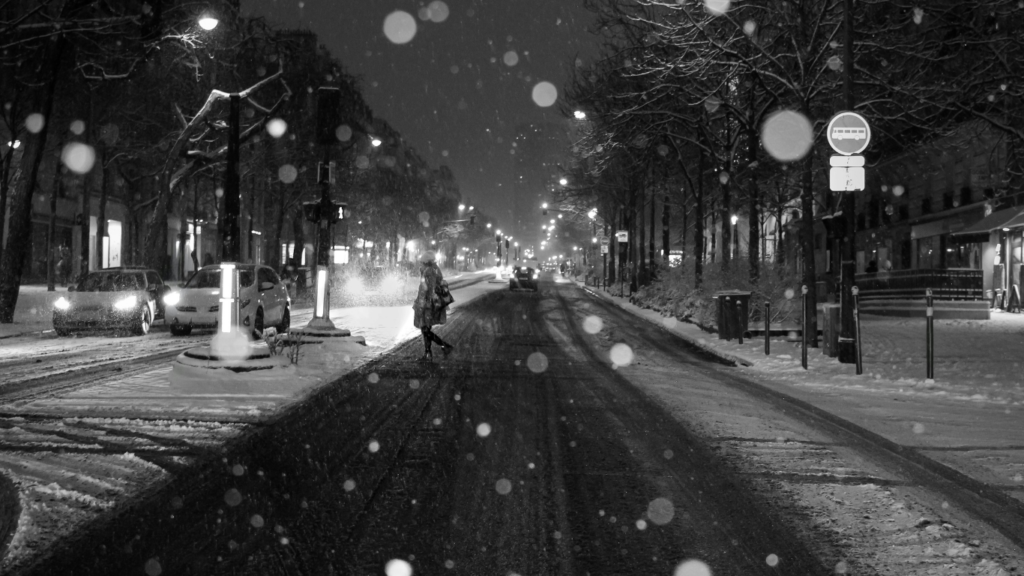
When I drive through the city at rush hour, I don’t just see traffic. I can see the tension. There are clenched fists in the steering wheels, short fuses in the eyes. People blow their horns at each other as if to expel all the pent-up anger they have been carrying for years. It’s not just nervousness about crowds. It is a fatigue that lasts for decades.
People who live under pressure for a long time change from the inside. It doesn’t happen suddenly, but quietly, like moisture that underlies the walls. First, trust disappears. People begin to doubt everything – institutions, neighbors, relatives, and finally themselves. The phrase “who knows what the truth is” becomes a defense mechanism. And without trust, every community crumbles into tiny, fearful parts.
Then comes indifference. After many disappointments, one defends himself by ceasing to expect. He stops believing that anything can be better. He starts to laugh with cynicism, to wave his hand at every piece of news. “Come on, they’re all the same.” That sentence is perhaps the most dangerous. In it is the capitulation of the spirit.
Decades of injustice leave other traces as well. People become short of breath. Patience wears thin. A trifle started a fire. Worry becomes a constant state, like a quiet hum in the background of every thought. How to survive? How to pay? How to protect children from all this? That constant fear, even if hidden, eats away at a person. Worry makes a person shrink.
I see it in fathers who stay silent longer than they should. In mothers who are constantly on the verge of tears, but do not let them go. In young people who are already tired and have just started. It’s as if they inherited a burden they didn’t choose.
After a lot of evil, people begin to accept the ugly as normal. He gets used to harsh words, injustice, and humiliation. The threshold of dignity has shifted. What once would have caused shame or rebellion now only causes a shrug. That is perhaps the most difficult defeat – when a person stops being surprised by evil.
Envy also appeared. When bread is scarce, people start looking at other people’s pieces. Instead of sticking together, they compete to survive. In such an atmosphere, it is difficult for solidarity to grow. And without her, everyone remains alone.
Yet, through it all, I also see something else. I can see how, despite everything, someone still pays more for the ride than they should and says, “It’s okay.” I see the passenger come back to check on me when I cough. I see how people, although broken, still recognize each other in some shared struggle.
Maybe our nerves are thinner, maybe our dreams are smaller, but we haven’t quite lost the ability to be human. And that, in a time of long decline, is already a miracle.
Because people can be impoverished, they can be tricked, they can be tired. But as long as there is even a spark of shame in the face of injustice and even a glimmer of compassion for another, he is not completely defeated.
I watch it every night. And that’s why, despite everything, I don’t give up the idea that underneath all that nervousness and worry, something healthy is still beating. Quietly, but persistently.

Nezasticeni svedok 4.
Kad vozim kroz grad u špicu, ne vidim samo saobraćaj. Vidim napetost. U volanima su zgrčene šake, u pogledima kratki fitilji. Ljudi trube jedni drugima kao da će time isterati sav nagomilani bes koji u sebi nose godinama. Nije to samo nervoza zbog gužve. To je umor koji traje decenijama.
Narod koji dugo živi pod pritiskom menja se iznutra. To ne ide naglo, nego tiho, kao vlaga koja podlokava zidove. Najpre nestane poverenje. Ljudi počnu da sumnjaju u sve – u institucije, u komšiju, u rođaka, na kraju i u sebe. Rečenica „ma ko zna šta je tu istina“ postane odbrambeni mehanizam. A bez poverenja, svaka zajednica se raspada u sitne, uplašene delove.
Zatim dođe ravnodušnost. Posle mnogo razočaranja, čovek se brani tako što prestane da očekuje. Prestane da veruje da išta može biti bolje. Počne da se smeje cinizmom, da na svaku vest odmahne rukom. „Ma pusti, svi su isti.“ Ta rečenica je možda najopasnija. U njoj je kapitulacija duha.
Decenije nepravde ostave i druge tragove. Ljudi postanu kratkog daha. Strpljenje se istroši. Sitnica zapali požar. Briga postane stalno stanje, kao tihi šum u pozadini svake misli. Kako preživeti? Kako platiti? Kako sačuvati decu od svega ovoga? Taj neprekidni strah, makar i prikriven, nagriza čoveka. Od brige se čovek smanji.
Vidim to u očevima koji ćute duže nego što bi trebalo. U majkama koje su stalno na ivici suza, ali ih ne puštaju. U mladima koji su već umorni, a tek su počeli. Kao da su nasledili teret koji nisu birali.
Posle mnogo zla, narod počne da prihvata ružno kao normalno. Navikne se na grubu reč, na nepravdu, na poniženje. Prag dostojanstva se pomeri. Ono što bi nekada izazvalo stid ili bunt, sada izaziva samo sleganje ramenima. To je možda najteži poraz – kada čovek prestane da se čudi zlu.
Pojavi se i zavist. Kad je hleba malo, ljudi počnu da gledaju u tuđe parče. Umesto da se drže zajedno, takmiče se u preživljavanju. U takvom vazduhu teško raste solidarnost. A bez nje, svako ostaje sam.
Ipak, kroz sve to, ja vidim i nešto drugo. Vidim kako, uprkos svemu, neko ipak plati vožnju više nego što treba i kaže: „U redu je.“ Vidim kako se putnik vrati da proveri jesam li dobro kad se zakašljem. Vidim kako se ljudi, iako slomljeni, još uvek prepoznaju u nekoj zajedničkoj muci.
Možda su nam nervi tanji, možda su nam snovi manji, ali još nismo sasvim izgubili sposobnost da budemo ljudi. A to je, u vremenu dugog propadanja, već čudo.
Jer narod može biti osiromašen, može biti izigran, može biti umoran. Ali dok god u njemu postoji makar iskra stida pred nepravdom i makar tračak saosećanja prema drugome, nije potpuno poražen.
Ja to gledam svake noći. I zato, uprkos svemu, ne odustajem od misli da ispod sve te nervoze i brige još uvek kuca nešto zdravo. Tiho, ali uporno.